FOUNDATIONS · Editorial team, Kaltova · 12 January 2026
How Liver Function Evolves After 40 — An Editorial Overview
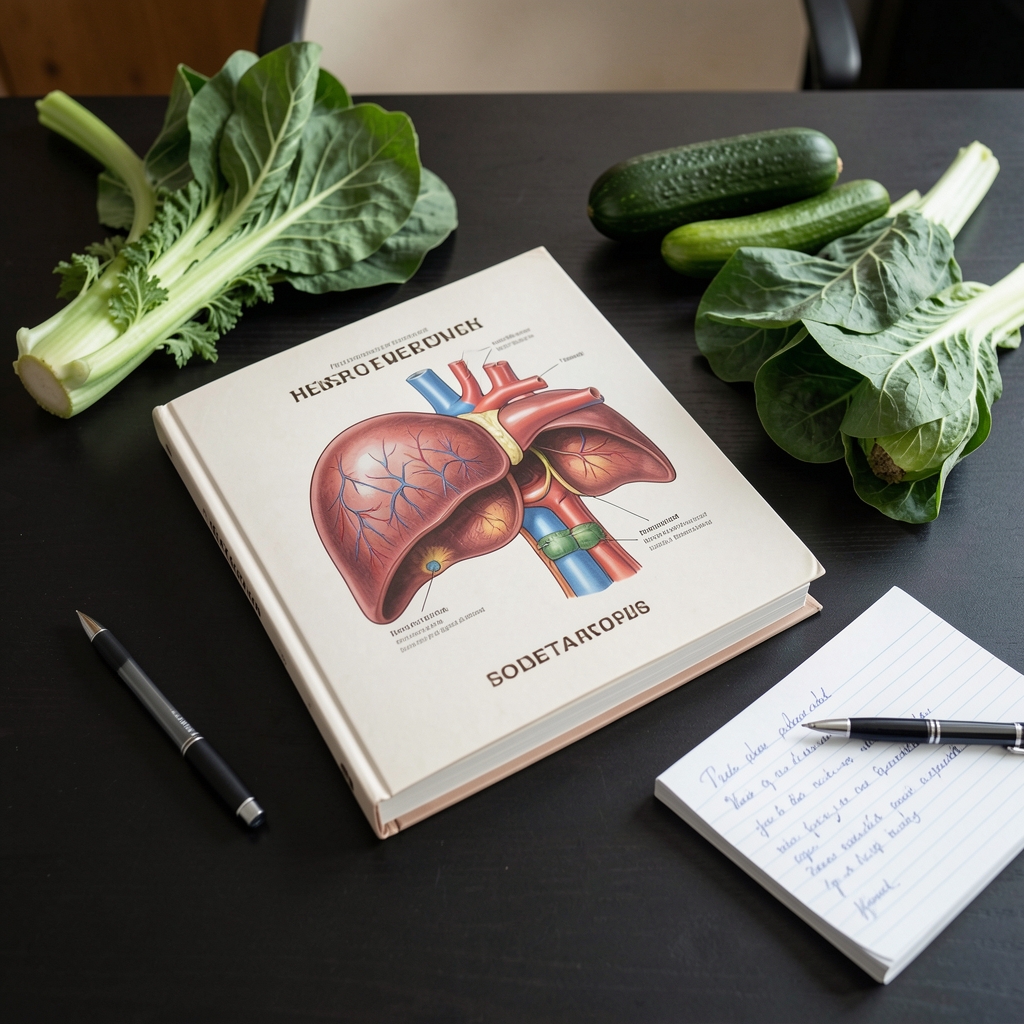
Adults often notice that familiar routines feel different as the years pass. Liver wellness information can help place those observations in context without reducing a complex organ to a single headline. The liver performs many interconnected roles, including processing nutrients, producing bile and handling compounds that move through the bloodstream. Ageing is not a single switch; it is a gradual landscape shaped by food, activity, sleep, alcohol, existing circumstances and access to appropriate support.
What changes with age?
Natural changes can affect body composition, circulation and the way nutrients are processed. Researchers therefore look at age alongside daily habits, family history and other relevant factors. A broad age label cannot describe one individual’s experience.
Why context matters
Food patterns, alcohol intake, movement, rest and hydration interact. The value of an editorial overview is that it keeps those elements together rather than presenting one nutrient as a complete answer.
Connected areas of everyday context
| Area | Why it appears in research | Question for readers |
|---|---|---|
| Food pattern | Provides energy and nutrients | What does the whole week look like? |
| Movement | Changes routine and energy use | What activity is ordinary? |
| Sleep | Shapes daily rhythm | Are there recurring changes? |
| Hydration | Forms part of fluid balance | What is the surrounding setting? |
A simple reading timeline
- Notice: describe the observation without attaching a conclusion.
- Contextualise: consider routine, age, food and environment.
- Compare: read more than one reliable source.
- Discuss: bring specific questions to a qualified professional.
“Liver wellness is better understood as a connected landscape than as a single headline.”
Many roles, one organ
The liver performs several interconnected roles, which is why short descriptions can be misleading. Nutrient processing, bile production and handling compounds from the bloodstream are often discussed separately, yet they exist within a wider biological system. An editorial overview can name those roles without suggesting that one food or routine explains the whole picture.
Researchers may focus on a single marker or pathway because a study needs a clear question. Readers should remember that a narrow measurement is not a complete portrait of everyday wellbeing. It is one piece of information with a particular method and boundary.
Ageing and individual variation
Ageing is not a single switch. Body composition, circulation, sleep, appetite, work patterns and movement can change at different rates. Two people of the same age may therefore have very different routines and questions.
That variation is not a reason to ignore general information; it is a reason to read it with care. The phrase adults over 40 describes an audience, not a uniform biological category.
Daily habits in combination
Food patterns, alcohol intake, movement, rest and hydration interact. A balanced view considers the frequency, setting and duration of a routine rather than treating one day as a complete record.
Readers can make their research more useful by writing down what a source actually measures. Does it describe a dietary pattern, a laboratory marker, a population association or a practical observation? These distinctions reduce overstatement.
Questions for further reading
- What role is the source describing?
- What population was studied?
- How long was the observation?
- Which parts remain uncertain?
- Would personal context change the interpretation?
Key takeaways
- The liver has interconnected roles.
- Age is one context among several.
- Daily habits work as a pattern.
- Research literacy keeps claims proportionate.
FAQ mini
Does age alone explain change?
No. Routine, environment and personal circumstances also matter.
Why read across several sources?
Different sources may measure different parts of a complex subject.
What is a useful next step?
Write down precise questions and discuss them with a qualified professional.
This article is for informational purposes only and does not constitute medical advice. Always consult your GP or a qualified healthcare professional before making changes to your diet, supplements, or lifestyle. Kaltova accepts no responsibility for actions taken without professional medical guidance.