DAILY HABITS · Editorial team, Kaltova · 26 January 2026
The Role of Hydration in Liver Health After 40
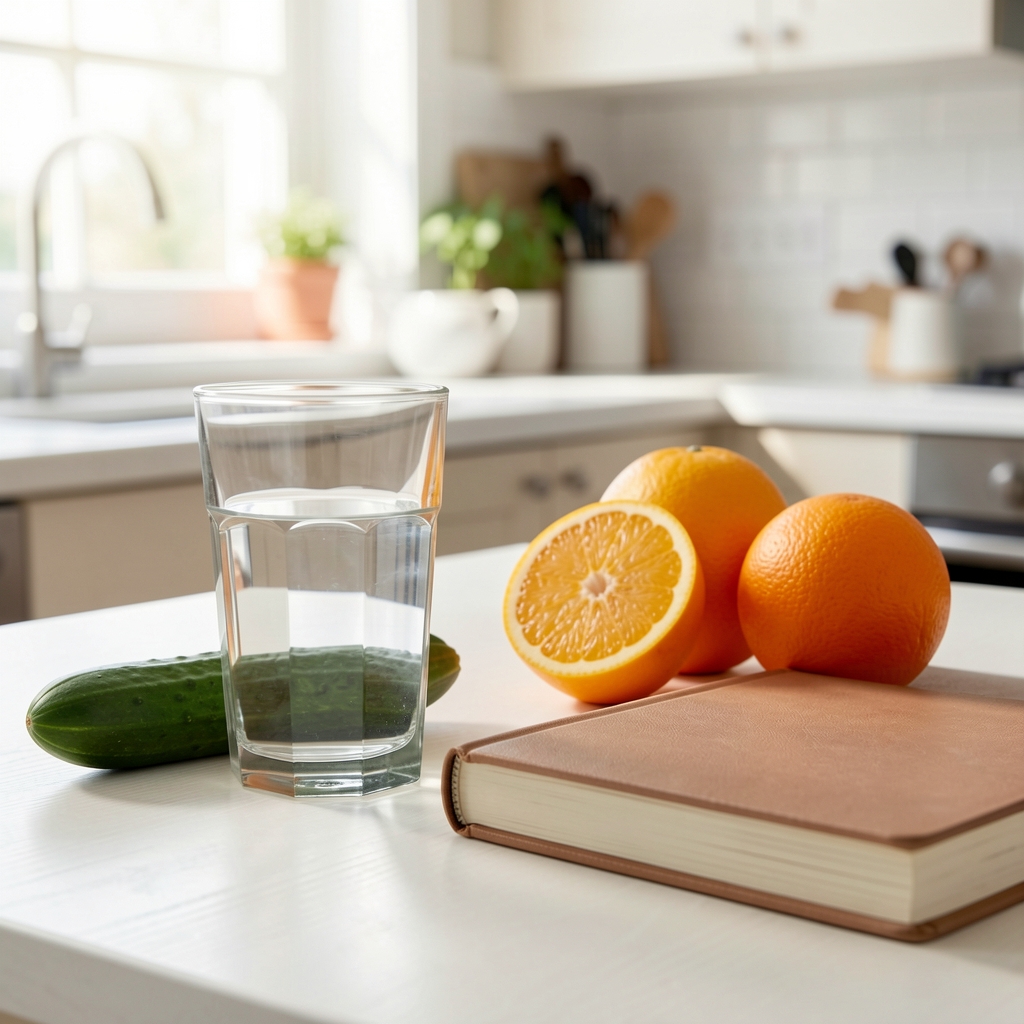
A measured view of fluid balance
Hydration is one of the most familiar topics in over 40 wellness, but familiarity can make a subject sound simpler than it is. Fluid needs vary with weather, activity, food, routine and individual circumstances. Water is also present in many foods, while tea and coffee may form part of a person’s ordinary pattern. This article looks at hydration through the lens of liver wellness information without presenting a universal target or a dramatic promise.
It explores how researchers describe fluid balance, why thirst is only one part of the picture and how readers can think about practical routines in a measured way.
Four influences on a daily pattern
How context changes the reading
| Context | What may change | Useful question |
|---|---|---|
| Warm weather | Fluid loss through perspiration | Has the environment changed? |
| Movement | Intake and output across the day | Was activity unusual? |
| Food pattern | Water supplied by meals | What did the whole day include? |
| Personal circumstances | Appropriate guidance | Would professional context help? |
A calm routine checklist
- Notice the setting rather than relying on a rigid number.
- Keep water accessible during ordinary activities.
- Include water-containing foods when considering the full pattern.
- Record unusual changes if they need discussing with a qualified professional.
This is a reflection tool, not a universal prescription. The value lies in noticing context and asking clearer questions.
“Hydration is a pattern across a day, not a performance measured by one dramatic target.”
Fluid balance in everyday life
The body constantly manages fluid through intake and output. Temperature, exercise and dietary pattern can change that balance, which is why a single number may not fit every day. Readers may also experience different routines between weekdays, weekends and travel.
A useful editorial question is whether the information describes an average population or a specific circumstance. Numbers from a study can organise a conversation, but they do not remove the need to interpret the setting in which they were collected.
Drinks and meals
Soups, fruit, vegetables and other foods contain water. Looking at the full dietary pattern often gives a more useful picture than focusing on one drink. Tea and coffee may also appear in an ordinary routine, with preparation and serving size affecting the overall pattern.
Readers can map a typical day without turning the exercise into a test: note meals, drinks, weather and activity, then consider which parts seem stable and which parts vary. That record can make a future conversation more specific.
Thirst and other observations
Thirst is one signal, but it is not the only piece of context. Busy schedules, heated rooms, exercise and travel can alter what a person notices. Observation is therefore more useful when paired with the setting and the time of day.
Personal circumstances can alter appropriate fluid guidance. A GP or qualified healthcare professional can provide context where a reader has a specific concern, a long-term routine or a question about existing guidance.
Research literacy
Studies may measure intake, markers, performance or self-reported habits. Each outcome answers a different question. A result about a group average should not be presented as a precise forecast for an individual reader.
When an article uses a large number, ask what it measures, how it was collected and whether the participants resemble the people being discussed. This simple habit helps keep hydration information proportionate and useful.
Key takeaways
- Fluid needs vary with setting and routine.
- Food contributes to daily water intake.
- Thirst is one observation among several.
- Personal questions benefit from professional context.
FAQ
Is one target suitable for everyone?
No. Weather, activity, food and personal circumstances can all affect the relevant context.
Does food count?
Yes. Many foods contain water and should be considered alongside drinks.
Why avoid dramatic promises?
Because fluid balance is influenced by several connected factors rather than one isolated action.
This article is for informational purposes only and does not constitute medical advice. Always consult your GP or a qualified healthcare professional before making changes to your diet, supplements, or lifestyle. Kaltova accepts no responsibility for actions taken without professional medical guidance.